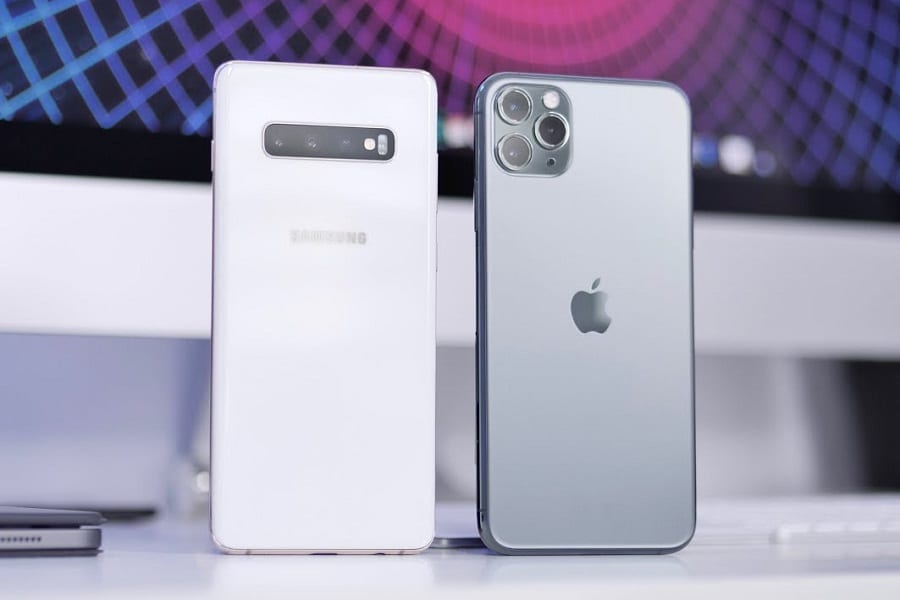

False Alarm: The Wait Continues in 2025
The year 2025 has arrived, and with it comes a wave of anticipation for groundbreaking advancements in pocket photography technology. However, despite considerable progress in various areas, the wait for certain highly anticipated innovations continues. This article delves into the current landscape of pocket photography, exploring the latest developments and ongoing challenges facing the industry.
The Rise of Computational Photography
In recent years, computational photography has revolutionized the way we capture images with our smartphones. By leveraging advanced algorithms and machine learning, computational photography enhances image quality, reduces noise, and improves dynamic range. In 2025, this trend shows no signs of slowing down.
Leading smartphone manufacturers have integrated AI-driven features into their devices, allowing users to capture professional-quality photos effortlessly. Google’s Pixel series and Apple’s iPhone lineup continue to lead the charge, with features like Night Sight and Deep Fusion offering stunning low-light performance and superior detail.
No products found.
Challenges in Sensor Innovation
While computational photography has made significant strides, the development of sensor technology has faced challenges. The quest for larger sensors in compact devices remains a significant obstacle. Although manufacturers have managed to fit larger sensors into flagship models, the trade-off between sensor size and device thickness persists.
In 2025, sensor manufacturers are exploring new materials and designs to overcome these limitations. Quantum dot technology and advancements in CMOS sensors hold promise, but widespread adoption is still a few years away. The industry eagerly awaits a breakthrough that will allow for high-quality, large-sensor cameras in truly pocket-sized devices.
The Megapixel Race: Is Bigger Always Better?
The megapixel race has been a hallmark of the smartphone industry for over a decade. In 2025, this trend continues, with some manufacturers pushing the boundaries with sensors boasting over 200 megapixels. However, experts argue that sheer megapixel count does not necessarily equate to better image quality.
While higher megapixels can offer more detail, they also pose challenges such as increased noise and larger file sizes. Manufacturers are now focusing on optimizing pixel size and sensor technology to strike a balance between resolution and image quality. The emphasis is shifting towards computational techniques that enhance image processing rather than just increasing megapixel count.
Optical Zoom: Breaking New Ground
One of the most exciting developments in pocket photography is the advancement in optical zoom technology. In 2025, companies have made significant progress in integrating periscope lens systems into smartphones, enabling true optical zoom capabilities without sacrificing device thickness.
Samsung and Huawei have been at the forefront of this innovation, offering devices with optical zoom capabilities of up to 10x. This breakthrough allows users to capture distant subjects with unprecedented clarity, expanding the creative possibilities for mobile photographers.
Video Capabilities: Cinematic Experiences
Video capabilities in smartphones have evolved remarkably over the past few years. In 2025, capturing cinematic-quality video with a smartphone is more accessible than ever. Devices now support 8K recording, enhanced stabilization, and improved dynamic range, allowing users to create professional-grade content on the go.
Leading manufacturers like Apple and Samsung have introduced features such as ProRes and advanced video editing tools directly within their devices. This democratization of video production empowers creators to tell their stories with cinematic flair, further blurring the lines between professional cameras and smartphones.
Battery Life: A Persistent Challenge
Despite the advancements in imaging technology, battery life remains a persistent challenge for pocket photography enthusiasts. The demands of high-resolution sensors, powerful processors, and bright displays continue to strain battery performance. In 2025, manufacturers are exploring innovative battery technologies, including solid-state batteries and improved power management systems.
While incremental improvements have been made, achieving all-day battery life under heavy usage remains a goal for the future. Until then, portable power banks and fast-charging solutions are essential companions for photographers on the go.
Augmented Reality: The Next Frontier
Augmented Reality (AR) is poised to transform the pocket photography landscape in 2025. With the integration of AR capabilities in smartphones, users can overlay digital elements onto their photos and videos in real-time. This technology opens up new creative possibilities, from virtual backgrounds to interactive storytelling.
Companies like Apple and Google have invested heavily in AR development, offering AR kits and tools for developers to create immersive experiences. As AR technology matures, its integration into pocket photography will likely become a standard feature, enhancing the way we capture and interact with the world around us.
Privacy and Security Concerns
As smartphones become more advanced in their imaging capabilities, concerns about privacy and security have grown. The ability to capture high-quality images and videos raises questions about data protection and unauthorized surveillance. In 2025, manufacturers are prioritizing privacy features, such as on-device processing and enhanced encryption, to safeguard user data.
Regulatory bodies are also taking steps to address these concerns, implementing stricter guidelines for data collection and sharing. As technology continues to evolve, finding a balance between innovation and privacy remains a critical challenge for the industry.
The Wait Continues: Foldable and Rollable Displays
Foldable and rollable displays have been touted as the next big thing in smartphone technology. While several companies have released foldable devices, widespread adoption is still in its infancy. In 2025, the durability and cost of these displays continue to pose challenges.
Manufacturers are working on improving the robustness of foldable screens and reducing production costs. As the technology matures, foldable and rollable screens have the potential to redefine pocket photography by offering larger displays without compromising portability. However, consumers eagerly await further advancements before these devices become mainstream.
Conclusion: The Future of Pocket Photography
In 2025, pocket photography is at an exciting crossroads. While significant progress has been made in computational photography, optical zoom, and video capabilities, challenges such as sensor innovation, battery life, and privacy concerns persist. The industry continues to evolve, with emerging technologies like AR and foldable displays promising to reshape the way we capture and share moments.
As we look towards the future, the wait for certain advancements may be longer than anticipated. However, the relentless pursuit of innovation ensures that the field of pocket photography remains dynamic and full of potential. Whether it’s through breakthroughs in sensor technology or the integration of augmented reality, the next chapter in pocket photography is sure to captivate and inspire enthusiasts worldwide.