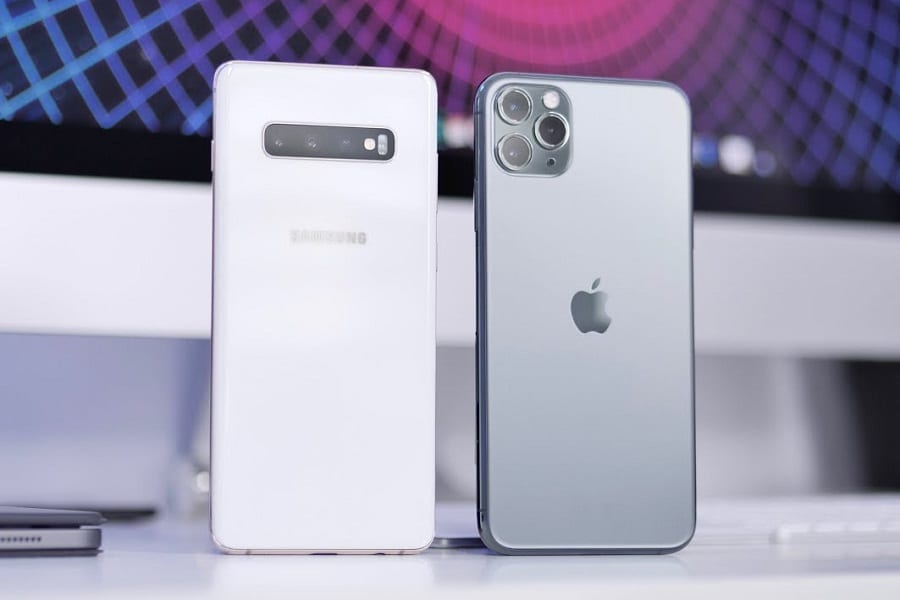

Pocket Photography in 2025: A New Era of Mobile Imaging
The evolution of mobile photography has always been a captivating journey, and as we find ourselves in 2025, the boundaries of what can be achieved with pocket-sized devices continue to expand. With technological advancements emerging at a rapid pace, the capabilities of smartphone cameras have reached new heights. In this article, we delve into the latest innovations and trends shaping the world of pocket photography in 2025.
The Rise of Computational Photography
In 2025, computational photography is at the forefront of mobile imaging technology. Unlike traditional photography, which relies solely on optical processes, computational photography leverages advanced algorithms and machine learning to enhance image quality. Techniques such as HDR+, Night Sight, and Super Res Zoom have become industry standards, allowing users to capture stunning images in various lighting conditions.
The latest smartphones are equipped with powerful image processors and AI chips that enable real-time enhancements. These devices can intelligently analyze scenes, optimize settings, and even remove unwanted elements from photos, resulting in professional-grade images with minimal effort.
No products found.
Beyond Megapixels: Sensor Innovations
While the race for higher megapixel counts continues, 2025 has seen a shift in focus towards sensor innovations. Manufacturers are now prioritizing larger sensors that can capture more light, resulting in improved low-light performance and dynamic range. The introduction of advanced sensor technologies, such as stacked CMOS sensors and organic sensors, has further elevated image quality.
These innovations have allowed smartphone cameras to rival traditional DSLRs and mirrorless cameras in terms of image clarity and detail. As a result, more photographers are opting for mobile devices as their primary shooting tool, appreciating the convenience and portability they offer.
Advanced Optical Systems
In 2025, smartphones boast advanced optical systems that enhance zoom capabilities and image stabilization. Periscope lenses, which use a prism to extend focal lengths without increasing device thickness, have become commonplace. These lenses provide impressive optical zoom capabilities, allowing users to capture distant subjects with remarkable clarity.
Additionally, the development of multi-axis optical image stabilization has greatly improved the quality of handheld shots. This technology compensates for hand movements and vibrations, ensuring sharp images even in challenging shooting conditions. Combined with AI-powered software stabilization, smartphone cameras now deliver smooth and steady video recordings.
Revolutionary Lens Attachments
The accessory market for mobile photography has also seen significant innovation in 2025. Lens attachments have become more sophisticated, offering a wide range of creative possibilities for photographers. From ultra-wide-angle lenses to macro and fisheye options, these attachments enhance the versatility of smartphone cameras.
Manufacturers have embraced modular designs, allowing users to seamlessly switch between lenses to suit their needs. These attachments are designed with precision optics, ensuring minimal distortion and maximum sharpness. As a result, photographers can achieve professional-level shots without the need for bulky camera gear.
AI-Powered Editing Tools
Post-processing has always been a crucial aspect of photography, and in 2025, AI-powered editing tools have revolutionized this domain. These tools leverage machine learning algorithms to analyze images and provide intelligent suggestions for enhancements. From color correction to background removal, AI editing tools offer a wide range of features that simplify the editing process.
Moreover, AI-driven apps now allow users to apply artistic styles and effects to their photos with a single tap. These apps can transform ordinary images into stunning works of art, making creative expression more accessible to everyone. The integration of AI into editing workflows has democratized professional-level post-processing, empowering users to achieve their desired aesthetic effortlessly.
Augmented Reality in Photography
Augmented reality (AR) has found its way into the world of mobile photography, offering exciting new possibilities for creative expression. In 2025, AR features are seamlessly integrated into camera apps, allowing users to overlay digital elements onto real-world scenes. This technology enables photographers to experiment with virtual objects, animations, and effects, enhancing the storytelling potential of their images.
AR filters and effects have become immensely popular on social media platforms, enabling users to create engaging and interactive content. From virtual try-ons to immersive backgrounds, AR enhances the visual appeal of photos and videos, making them more captivating and shareable.
5G and Cloud Connectivity
The widespread adoption of 5G technology has transformed the way we capture, edit, and share photos. In 2025, smartphones equipped with 5G connectivity enable real-time uploading and streaming of high-resolution images and videos. This seamless connectivity has revolutionized workflows for photographers and content creators, allowing them to collaborate and share their work instantaneously.
Cloud-based photo storage solutions have also become more sophisticated, offering secure and unlimited storage options for users. With automatic backup and synchronization features, photographers can access their entire photo library from any device, ensuring that their memories are always safe and easily accessible.
Ethical Considerations and Privacy
As technology continues to advance, ethical considerations surrounding mobile photography have come to the forefront in 2025. The widespread use of facial recognition and AI-powered surveillance has raised concerns about privacy and consent. Manufacturers and app developers are now implementing stricter privacy measures, giving users more control over their data and ensuring that their images are protected.
Additionally, discussions about the ethical use of photo editing tools have gained prominence. The ability to alter images with AI has sparked debates about authenticity and the potential for misinformation. As a result, transparency and ethical guidelines are becoming integral to the development and use of mobile photography technologies.
Sustainability in Mobile Photography
In 2025, sustainability has become a key focus for manufacturers in the mobile photography industry. Companies are actively working to reduce the environmental impact of their products by using recycled materials and minimizing e-waste. Modular designs and repairable components have become more prevalent, allowing users to extend the lifespan of their devices.
Furthermore, eco-friendly packaging and energy-efficient manufacturing processes are now standard practices. As consumers become more environmentally conscious, the demand for sustainable mobile photography solutions continues to grow, encouraging companies to prioritize sustainability in their product development.
The Future of Pocket Photography
Looking ahead, the future of pocket photography holds exciting possibilities. As technology continues to evolve, we can expect even more groundbreaking innovations in mobile imaging. From advancements in AI and computational photography to new sensor technologies and optical systems, the potential for creativity and expression is limitless.
In 2025, pocket photography has become a powerful tool for capturing and sharing moments, empowering individuals to tell their stories in unique and impactful ways. As we embrace this new era of mobile imaging, the possibilities are truly endless, and the journey is only just beginning.