2025 Guide: Taking Passport-Size Photos with Mobile Phones
In today’s digital age, mobile phones have become indispensable tools for countless tasks, including capturing high-quality photos for official documents like passports. With the advancements in smartphone camera technology and editing apps, you can easily create passport-size photos that meet government requirements right from your home. This guide will walk you through the latest tips and tools as of 2025 to ensure your mobile phone photos are perfect for official documentation.
Understanding Passport Photo Requirements
Before diving into the photography process, it’s crucial to understand the standard requirements for passport photos. Although these can vary slightly by country, the following guidelines are widely accepted:
1. **Size and Dimensions**: Passport photos typically measure 2 x 2 inches (51 x 51 mm). Ensure your final image fits these dimensions.
2. **Background**: A plain white or light-colored background is required. Make sure there are no patterns, shadows, or objects visible.
3. **Expression and Pose**: The subject should have a neutral expression with both eyes open and mouth closed. The head should be centered and facing the camera directly.
4. **Lighting and Exposure**: Proper lighting is essential. Avoid shadows on the face or background. The photo should also be free of overexposure or underexposure.
5. **Attire and Accessories**: Wear everyday clothing. Uniforms or camouflage attire are not allowed. Ensure no glasses or headwear obscure your face unless for religious reasons.
No products found.
Choosing the Right Smartphone
In 2025, smartphones are equipped with advanced camera systems that rival professional cameras. When choosing a phone for passport photography, consider these factors:
– **Camera Resolution**: Look for phones with at least a 12 MP front camera. Higher resolutions are preferable for crisp and detailed images.
– **Image Stabilization**: Optical image stabilization (OIS) helps in capturing sharp images by reducing blurriness caused by hand movement.
– **AI Enhancements**: Many smartphones now feature AI-driven enhancements that automatically adjust lighting and focus, which can be particularly useful for amateur photographers.
– **Editing Capabilities**: Built-in editing tools that allow for cropping, adjusting exposure, and correcting colors can simplify the process.
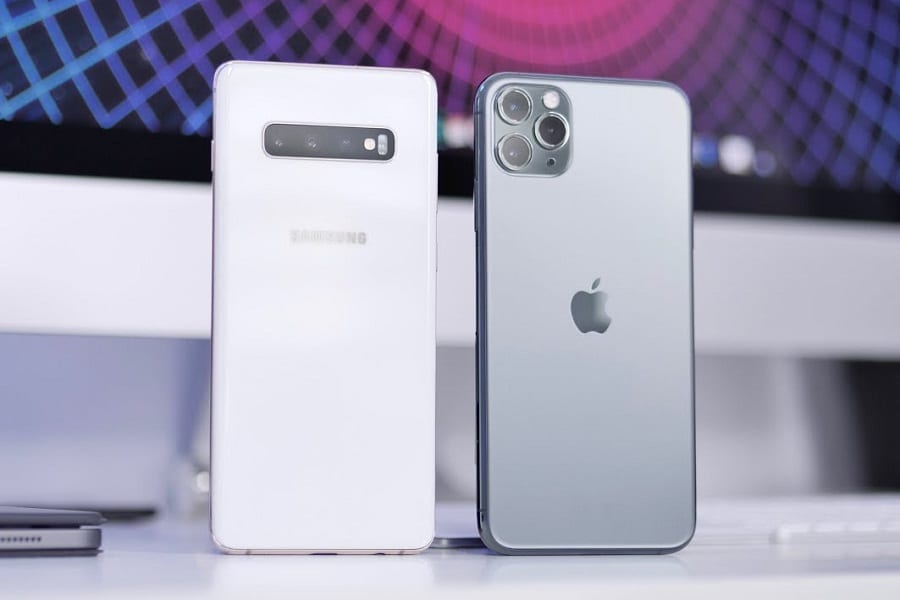
Some of the top smartphones in 2025 for photography include the Apple iPhone 15 Pro, Samsung Galaxy S25, and Google Pixel 9.
Setting Up Your Space
Creating the right environment is crucial for taking a great passport photo:
– **Background**: Use a plain white wall or a backdrop designed for photography. Portable collapsible backdrops available online can be a helpful purchase.
– **Lighting**: Natural light is ideal. Position yourself so that you are facing a window with diffuse light. Avoid direct sunlight as it can create harsh shadows. If natural light isn’t available, consider using LED lights with softboxes.
– **Tripod Use**: Using a tripod will help ensure stability. Many modern tripods are adaptable for mobile phones and allow for adjustments in height and angle.
Taking the Photo
Now that you have your equipment and space ready, follow these steps to capture the perfect passport photo:
1. **Positioning**: Stand approximately 3-4 feet from the background. Ensure there is enough space between you and the wall to reduce shadows.
2. **Camera Setup**: Use the rear camera for the best quality. Set your camera to a timer mode and enable grid lines to center your face in the frame.
3. **Framing the Shot**: The head should occupy approximately 50-70% of the frame. Ensure there is space around your head and shoulders.
4. **Lighting Check**: Review the lighting setup to eliminate shadows. Adjust your position or the light source as needed.
5. **Capture the Photo**: Take multiple shots to ensure you have options to choose from.
Editing and Finalizing the Photo
Once you have taken the photos, it’s time to edit them to meet passport specifications:
– **Cropping**: Use apps like Adobe Lightroom or Snapseed to crop your image to the required passport dimensions. Many apps have specific templates for passport photos.
– **Color Correction**: Adjust the brightness, contrast, and saturation to ensure your skin tone appears natural.
– **Background Adjustment**: If necessary, use background editing tools to enhance or whiten the background without altering the subject’s appearance.
– **Final Checks**: Ensure the final image is sharp, with no pixelation or blurriness. Verify that the photo’s final size and resolution meet the requirements.
Printing Your Passport Photo
After editing, the final step is printing your photo:
– **Choosing the Right Service**: Many online services offer printing and delivery of passport photos. Alternatively, you can use in-store printing kiosks at photo labs or drugstores.
– **Paper Quality**: Opt for high-quality, glossy photo paper to prevent smudging and ensure durability.
– **Resolution**: Ensure the image is printed at 300 DPI or higher for the best quality.
Using Apps for Passport Photos
In 2025, numerous apps are specifically designed for creating passport photos. These apps often include templates, guidelines, and editing tools to streamline the process. Here are a few popular options:
– **Passport Photo Online**: Offers AI-driven background removal and compliance checks.
– **PhotoAiD**: Provides a user-friendly interface with step-by-step guidance and template options for various countries.
– **ID Photo Pro**: Known for its precise editing tools and quality output.
Common Mistakes to Avoid
Even with the best tools and intentions, mistakes can happen. Here are some common pitfalls and how to avoid them:
– **Shadows**: Ensure there’s even lighting on your face and background to avoid shadows.
– **Incorrect Expression**: Maintain a neutral expression without smiling or frowning.
– **Improper Sizing**: Double-check the dimensions and proportions of the final photo to ensure compliance.
– **Background Clutter**: Always use a plain background to avoid distractions.
Conclusion
Taking passport-size photos with your mobile phone in 2025 is not only convenient but also highly effective, thanks to advancements in camera technology and editing software. By following the steps outlined in this guide, you can produce professional-quality photos that meet official standards, saving you time and money. Whether you’re applying for a passport renewal or need a photo for another form of identification, your smartphone is more than capable of delivering the perfect shot.