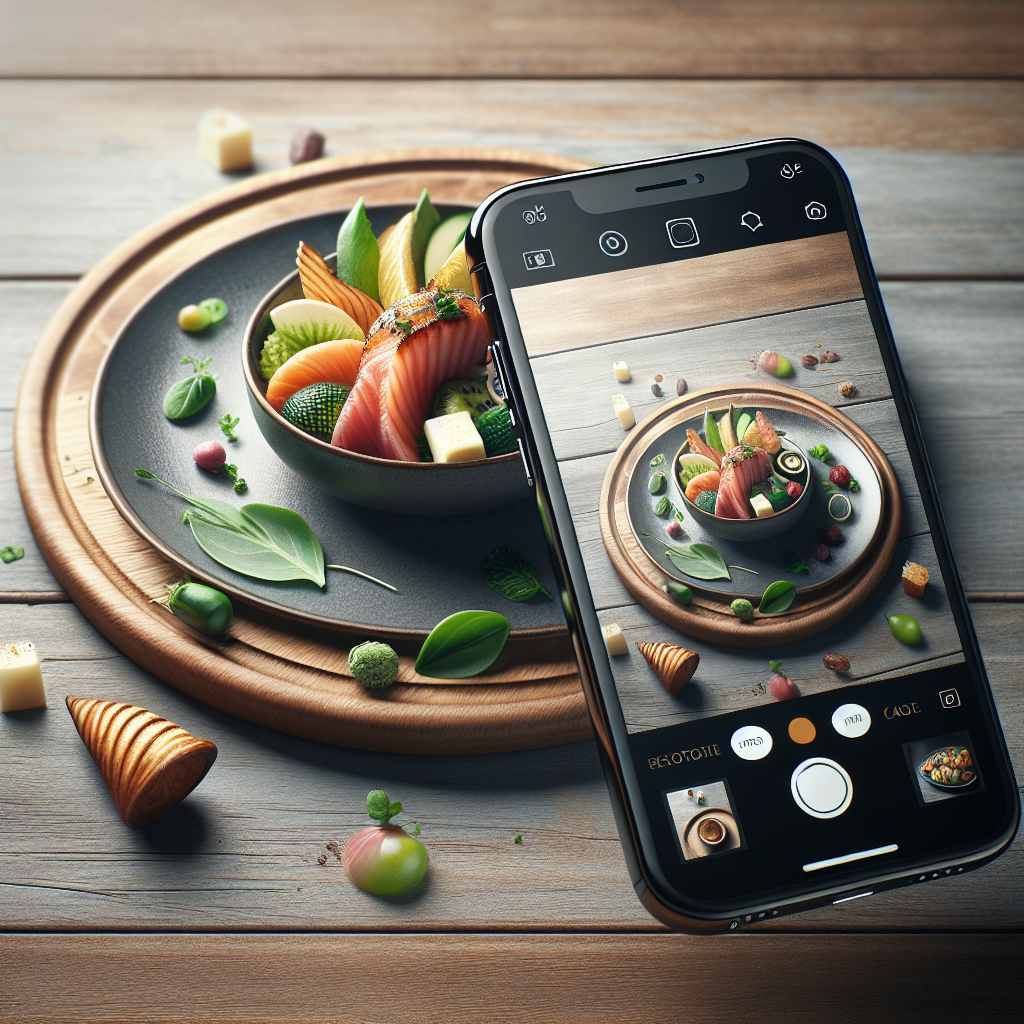
In the age of social media, food photography has become as essential as the cooking itself. With platforms like Instagram flourishing with #FoodPorn, everyone’s trying to capture that perfect shot of their meal. However, not everyone carries a professional camera. The good news? Your iPhone is more than capable of producing stunning food photos. With a few tips and tricks, you can elevate your food photography game to professional levels. Let’s delve into the art of iPhone food photography and explore the secrets behind capturing drool-worthy images.
Understanding Your iPhone Camera
Before diving into techniques, it’s crucial to familiarize yourself with your iPhone’s camera capabilities. The latest iPhones offer advanced technology, including multiple lenses, Night Mode, Portrait Mode, and more. Understanding these features will help you make the most of your device.
Exploring Camera Modes
The iPhone offers several camera modes that can be advantageous for food photography:
- Portrait Mode: This mode is excellent for adding depth to your images by blurring the background, making the subject stand out.
- Night Mode: Perfect for low-light settings, Night Mode can illuminate your dishes without compromising quality.
- Live Photos: While not directly related to still photography, Live Photos can capture the making of a dish or the pouring of a sauce, adding dynamic elements to your Instagram Stories.
Mastering Lighting
Lighting can make or break your food photos. The right lighting can enhance colors, textures, and overall appeal, while poor lighting can make even the most delicious dish look unappetizing.
No products found.
Natural Light is Your Best Friend
Whenever possible, use natural light. Window light, especially, provides a soft, diffused glow that complements food photography. Try shooting near a window and avoid direct sunlight, which can cause harsh shadows.
Experiment with Artificial Light
If natural light isn’t available, consider using artificial light sources. Ring lights or small LED panels can simulate natural light. Ensure the light source is diffused to avoid harsh shadows and reflections.
Composing Your Shot
Composition is key in creating visually appealing food photos. Understanding the basics of composition can significantly enhance your photography skills.
Rule of Thirds
The rule of thirds is a fundamental principle in photography. Imagine your frame divided into nine equal segments by two horizontal and two vertical lines. Positioning the main elements of your photo along these lines or at their intersections can create a balanced and engaging image.
Layering and Textures
Adding layers and textures to your shot can make it more interesting. Use props like napkins, cutlery, or ingredients to add depth. Play with textures by contrasting soft elements (like whipped cream) with hard ones (like a crunchy pie crust).
Focus and Exposure
Ensuring your photo is in focus and correctly exposed is vital for sharp and clear images.
Tapping to Focus
When framing your shot, tap on the area of the screen where you want the camera to focus. This ensures that the main subject of your photo is sharp.
Adjusting Exposure
After tapping to focus, you can adjust the exposure by sliding your finger up or down on the screen. This allows you to brighten or darken the image as needed.
Editing Your Photos
Editing is an essential part of the photography process. Even a great shot can benefit from some post-processing tweaks.
Using the iPhone’s Native Editing Tools
Your iPhone comes with a range of editing tools that are simple yet effective. Adjust brightness, contrast, saturation, and sharpness to enhance your photo.
Exploring Third-Party Apps
For more advanced editing, consider using apps like Adobe Lightroom, VSCO, or Snapseed. These apps offer a wide array of features, including filters, retouching tools, and more.
Practicing Patience and Creativity
Great food photography requires patience and creativity. Experiment with different angles, compositions, and lighting setups. Don’t be afraid to try new things and think outside the box.
Angles and Perspectives
Different angles can dramatically change the perception of a dish. Overhead shots are popular for flatlays, while a 45-degree angle can capture the details of layered foods. Experiment with various perspectives to find what works best for your subject.
Storytelling Through Food
Every dish has a story. Whether it’s the process of preparation, the cultural background, or the ingredients used, try to convey that story through your images. Use props and settings that reflect the essence of the dish.
Understanding the Context of Food Photography
Beyond the technical aspects, understanding the context and purpose of your food photography is essential.
Considering Your Audience
Are you shooting for a personal blog, a restaurant menu, or social media? Each platform may require a different style or approach. Tailor your photography to meet the expectations of your intended audience.
Staying True to the Dish
While editing can enhance a photo, it’s important to stay true to the dish’s natural appearance. Over-editing can lead to unrealistic images that misrepresent the food.
Conclusion
Mastering iPhone food photography is a rewarding journey that combines technical skills with artistic vision. By understanding your iPhone’s capabilities, mastering lighting, focusing on composition, and practicing patience and creativity, you can create stunning food photos that captivate your audience. Remember, the key to great photography is practice, experimentation, and a passion for the art form. So grab your iPhone, head to the nearest café or your kitchen, and start capturing the beauty of food.