Apple Intelligence vs. Galaxy AI: The 2025 Showdown
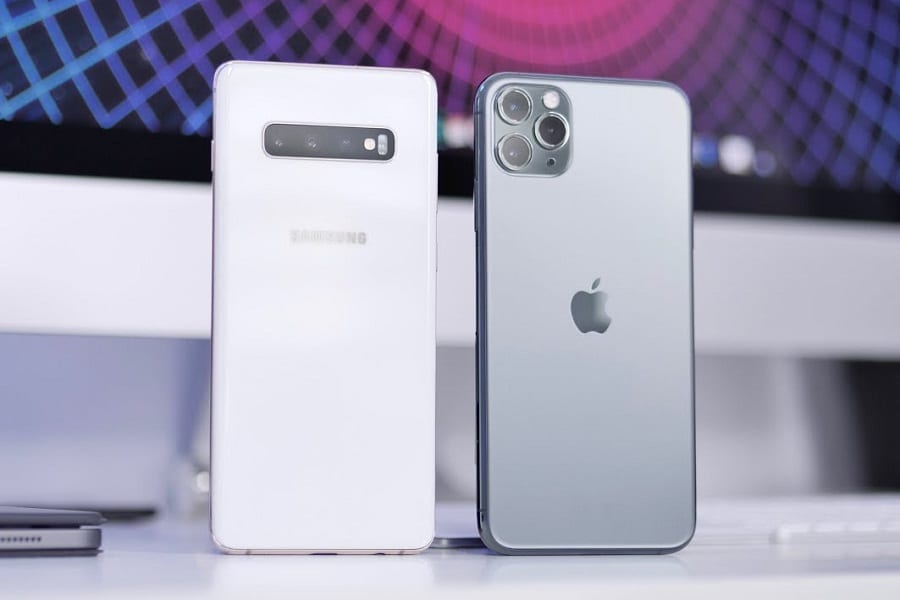
In the ever-evolving landscape of smartphone technology, the competition between Apple and Samsung remains as fierce as ever. Both tech giants have been at the forefront of innovation, continuously pushing the boundaries of what artificial intelligence (AI) can achieve in mobile devices. As we step into 2025, the battle between Apple’s AI, now branded as Apple Intelligence, and Samsung’s Galaxy AI, continues to captivate tech enthusiasts worldwide. This article delves into the latest advancements, features, and performance metrics of these two AI powerhouses, offering an updated perspective on their capabilities and impact on the smartphone industry.
Evolution of Apple Intelligence
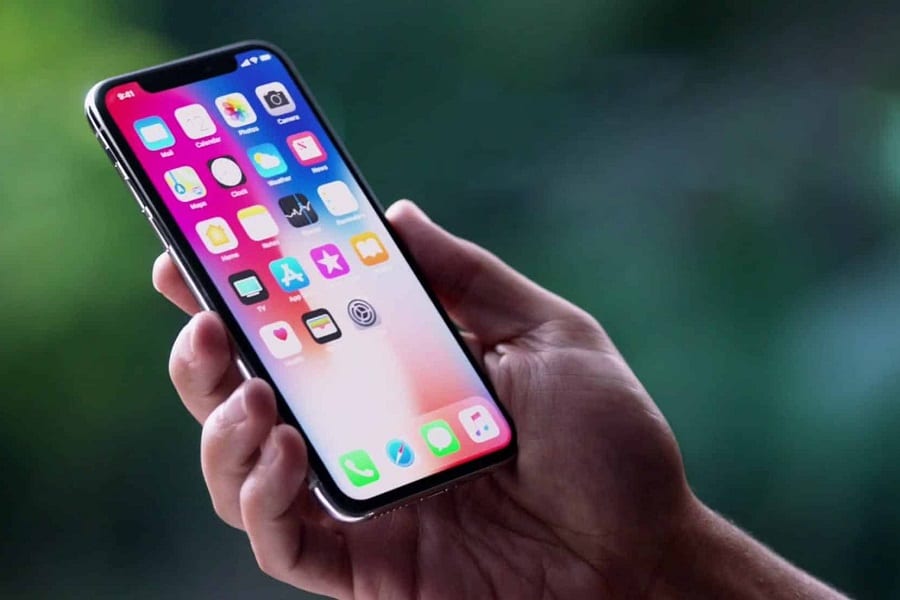
Since its inception, Apple’s AI has been deeply integrated into its ecosystem, providing seamless user experiences across devices. In 2025, Apple Intelligence has reached new heights, thanks to significant advancements in machine learning and natural language processing. The latest iteration of Apple Intelligence is powered by the A19 Bionic chip, featuring advanced neural engines capable of handling complex tasks with remarkable efficiency.
Features and Innovations
One of the standout features of Apple Intelligence in 2025 is its enhanced contextual awareness. The AI can now anticipate user needs with greater accuracy by analyzing patterns in behavior and usage. For instance, if you frequently check the weather in the morning, Apple Intelligence might proactively offer a detailed weather report as soon as you unlock your iPhone.
No products found.
Moreover, Apple Intelligence has made strides in natural language understanding, allowing for more fluid and human-like interactions with Siri. The virtual assistant can now comprehend context, tone, and even nuanced emotions, making conversations feel more natural and engaging. This advancement has also extended to Apple’s accessibility features, enabling users with disabilities to interact with their devices more intuitively.
Privacy and Security
Apple has continued to prioritize user privacy and data security, a core tenet of its AI strategy. In 2025, Apple Intelligence processes most AI computations directly on-device, minimizing data sent to external servers. This approach not only enhances privacy but also improves performance by reducing latency. Additionally, Apple has introduced new privacy features, allowing users to have greater control over the data their devices collect and store.
Galaxy AI: Samsung’s Response
Samsung’s Galaxy AI has also undergone significant enhancements, cementing its position as a formidable competitor to Apple’s offering. In 2025, Galaxy AI is powered by the Exynos 2500 chip, boasting cutting-edge AI capabilities that rival Apple’s latest processor.
Features and Innovations
Galaxy AI’s standout feature is its integration with Samsung’s SmartThings ecosystem, allowing users to control a wide range of connected devices seamlessly. The AI’s ability to learn from user interactions has been further refined, enabling it to predict user needs and automate everyday tasks. For example, Galaxy AI can adjust smart home settings based on your routine, ensuring your home is always comfortable and energy-efficient.
Samsung has also focused on enhancing Galaxy AI’s language capabilities. The virtual assistant, Bixby, has been revamped to offer more natural and intuitive interactions. With advanced speech recognition and multilingual support, Bixby can now engage in conversations that feel more personalized and context-aware.
Privacy and Security
In response to growing concerns about data privacy, Samsung has implemented robust security measures to protect user information. Galaxy AI employs end-to-end encryption for sensitive data, ensuring that user interactions with the AI remain confidential. Samsung has also introduced a new privacy dashboard, giving users a comprehensive overview of how their data is used and the option to manage permissions effectively.
Performance Comparison
When it comes to performance, both Apple Intelligence and Galaxy AI have made impressive strides, but there are notable differences in their approaches. Apple’s focus on on-device processing has resulted in faster response times and improved efficiency, particularly in tasks that require real-time analysis, such as augmented reality applications and photography enhancements.
On the other hand, Galaxy AI’s integration with Samsung’s broader ecosystem provides a more holistic experience, particularly for users already invested in Samsung’s suite of smart devices. The ability to seamlessly control and interact with a wide range of products, from televisions to home appliances, gives Galaxy AI a distinct advantage in the realm of smart home automation.
User Experience and Ecosystem Integration
Apple’s ecosystem remains one of its strongest assets, and Apple Intelligence is no exception. The seamless integration across devices, from iPhones to Macs and Apple Watches, ensures a cohesive user experience. Features like Handoff and Universal Control allow users to transition effortlessly between devices, leveraging the full potential of Apple Intelligence.
Samsung, on the other hand, has focused on building a comprehensive ecosystem through its SmartThings platform. The integration of Galaxy AI with SmartThings provides users with a unified interface for managing connected devices, offering a level of convenience that appeals to tech-savvy individuals and smart home enthusiasts.
Impact on Smartphone Photography
Both Apple and Samsung have leveraged AI to revolutionize smartphone photography, and 2025 is no exception. Apple’s advancements in computational photography, driven by Apple Intelligence, have resulted in features like Night Mode and Deep Fusion that deliver stunning image quality even in challenging lighting conditions. The AI’s ability to recognize and enhance subjects in real-time has elevated mobile photography to new heights.
Samsung’s Galaxy AI has also made significant contributions to smartphone photography. The AI-powered Scene Optimizer can now recognize a broader range of scenes and subjects, automatically adjusting settings to capture the best possible shot. Additionally, Samsung’s continued partnership with renowned camera manufacturers has resulted in hardware innovations that complement Galaxy AI’s software capabilities.
Conclusion: The 2025 Verdict
As we assess the state of AI in smartphones in 2025, it’s clear that both Apple Intelligence and Galaxy AI have made remarkable strides, each with its unique strengths. Apple’s focus on privacy, seamless ecosystem integration, and on-device processing offers users a fast, secure, and intuitive experience. Meanwhile, Samsung’s emphasis on smart home integration and broader ecosystem connectivity provides users with unparalleled convenience and control over their digital lives.
Ultimately, the choice between Apple Intelligence and Galaxy AI comes down to individual preferences and priorities. Whether you value privacy, ecosystem integration, or smart home automation, both AI platforms offer compelling features that cater to a wide range of needs. As technology continues to advance, the competition between Apple and Samsung will undoubtedly drive further innovation, benefiting consumers and shaping the future of mobile technology.