Examining Night Vision Features in Smartphone Cameras: Insights from 2025
In the ever-evolving landscape of smartphone technology, the year 2025 has proven to be a landmark year for advancements in mobile photography, particularly in the realm of night vision capabilities. As smartphone manufacturers continue to push the boundaries of what is possible, consumers are reaping the benefits of cameras that can capture stunning images even in the lowest light conditions. This article delves into the state-of-the-art night vision features available in 2025 and explores how these innovations are transforming our expectations of mobile photography.
The Evolution of Night Vision Technology in Smartphones
Smartphone cameras have seen significant improvements over the past decade, with enhancements in sensor technology, image processing, and software algorithms. In 2025, night vision capabilities have reached new heights, making it possible to capture clear, vibrant images in near-darkness. The journey to this point has been marked by several key developments:
- Advanced Sensor Technology: Modern smartphone cameras are equipped with larger sensors that can capture more light. The introduction of multi-layer sensors, which separate color and luminance information, has significantly improved low-light performance. These sensors work in tandem with sophisticated image processors to create detailed images even in challenging lighting conditions.
- AI-Powered Image Processing: Artificial intelligence plays a critical role in enhancing night vision photography. AI algorithms can now intelligently adjust exposure, reduce noise, and enhance details in real-time. This capability allows users to take high-quality photos without the need for manual adjustments or additional equipment.
- Improved Optics and Lenses: Smartphone manufacturers have invested heavily in developing advanced optics that improve light transmission to the sensor. The use of larger apertures and better lens coatings has reduced lens flare and improved image clarity in low-light environments.
- Multi-Frame Processing: This technique involves capturing multiple frames in quick succession and combining them into a single image. By analyzing and merging these frames, smartphones can reduce noise and enhance detail, resulting in clearer and more vibrant low-light photos.
Leading Innovations in Night Vision Features
As we examine the latest advancements in smartphone cameras, several standout features highlight the progress made in night vision technology:
1. Night Mode Enhancements
Originally introduced as a software feature in smartphones, night mode has undergone significant refinement by 2025. Modern night modes now offer:
- Real-Time HDR: High Dynamic Range imaging has been optimized for low-light conditions, allowing smartphones to balance bright and dark areas within a scene seamlessly.
- Color Accuracy: Improved algorithms ensure that colors remain true to life, even in artificial lighting or dim environments.
- Faster Processing: Thanks to powerful processors and efficient software, night mode is now faster than ever, with minimal shutter lag.
2. Low-Light Video Recording
Capturing video in low-light has traditionally been a challenge for smartphones, but recent innovations have turned the tables:
- Night Vision Video Modes: Smartphones now offer dedicated night vision video modes that utilize AI-driven noise reduction and enhanced stabilization to produce smooth, sharp videos in dark settings.
- 8K and Beyond: Advances in processing power and storage capabilities have enabled high-resolution video recording in low-light, with some flagship models supporting 8K video capture with impressive clarity.
3. Integration of LiDAR and Infrared Sensors
LiDAR (Light Detection and Ranging) technology and infrared sensors have been integrated into smartphones to improve depth perception and focus in low-light environments:
- Enhanced Autofocus: LiDAR sensors provide precise depth mapping, enabling faster and more accurate autofocus in low-light and night-time photography.
- Augmented Reality (AR) Applications: Infrared sensors have expanded AR capabilities, allowing for better performance in dimly lit rooms.
Market Leaders in Night Vision Smartphones
Several smartphone manufacturers have emerged as leaders in night vision technology, each offering unique features that set them apart:
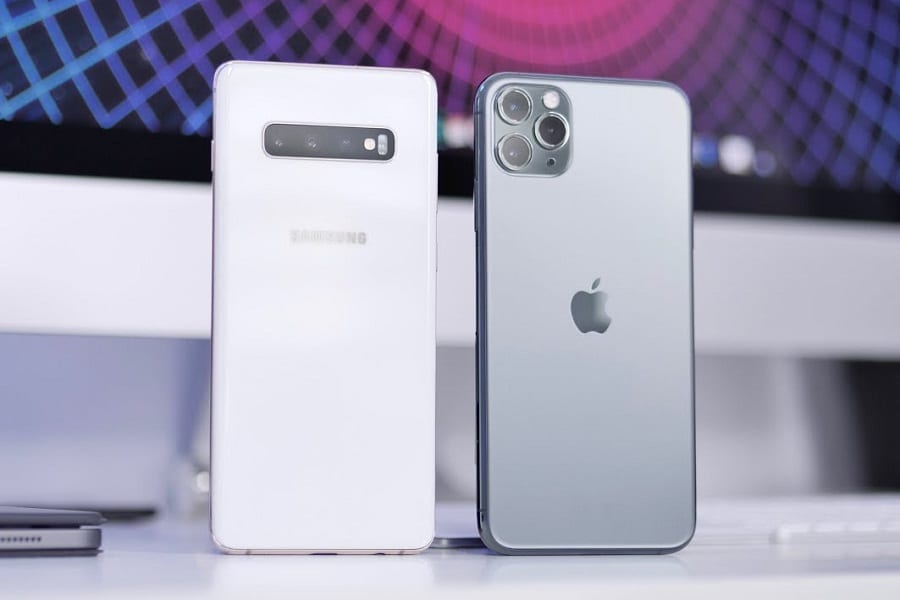
Apple
Apple continues to be at the forefront with its latest iPhone models, which feature advanced night vision capabilities:
- ProRAW and ProRes: Apple’s proprietary formats now include enhanced night vision support, allowing photographers to capture and edit high-fidelity images and videos.
- Deep Fusion Technology: Leveraging machine learning, Deep Fusion enhances texture and detail by analyzing multiple exposures and combining them into a single frame.
Samsung
Samsung’s Galaxy series has made significant strides in night vision photography:
- Bright Night Sensor: Samsung’s custom sensors, designed specifically for low-light conditions, capture more light and reduce noise.
- Astrophotography Mode: This feature allows users to capture stunning images of the night sky, automatically adjusting settings for optimal results.
Google
Google’s Pixel phones are renowned for their computational photography prowess:
- Night Sight: Continually improved, Night Sight now offers superior low-light performance with advanced noise reduction and color correction.
- Astrophotography Timelapse: Users can create breathtaking timelapses of the night sky, capturing movement and changes over extended periods.
Challenges and Future Directions
Despite the remarkable advancements in night vision technology, challenges remain:
- Power Consumption: Enhanced night vision features often require additional processing power, which can drain battery life more quickly. Manufacturers are continually working on optimizing power efficiency.
- Balancing Noise Reduction and Detail: While noise reduction algorithms are effective, they can sometimes result in loss of detail. Striking the right balance remains a focus for developers.
- Cost and Accessibility: Cutting-edge night vision features are typically found in flagship models, which may not be accessible to all consumers. Efforts to bring these technologies to mid-range devices are ongoing.
Looking ahead, the future of night vision technology in smartphones is promising. As AI continues to evolve, we can expect even greater advancements in image processing and sensor technology. Additionally, the integration of emerging technologies such as quantum dots and metasurface optics could revolutionize low-light photography.
Conclusion
In 2025, night vision features in smartphone cameras have reached an unprecedented level of sophistication, allowing users to capture stunning images and videos in low-light conditions with ease. These advancements have been driven by innovations in sensor technology, AI-powered image processing, and enhanced optics. As leading smartphone manufacturers continue to push the envelope, the future of mobile photography looks brighter than ever, promising even more exciting developments in the years to come. Whether you’re a professional photographer or a casual user, the ability to capture the beauty of the night has never been more accessible or impressive.