
Introduction
In the serene realm of night photography, capturing the ethereal glow of the moon, the twinkling stars, or the bustling nightlife of a cityscape requires more than just a good camera. The right gear can transform your nocturnal shots from ordinary to extraordinary. Whether you’re a seasoned photographer or a budding enthusiast, having the right accessories for night photography can make all the difference. This article will delve into the essential gear you’ll need to elevate your night photography game.
The Basics: Camera and Lens
Before diving into the accessories, it’s crucial to ensure you have the right camera and lens. A DSLR or a mirrorless camera with manual settings is ideal for night photography as it allows you to control shutter speed, aperture, and ISO. Pair your camera with a fast lens, preferably with an aperture of f/2.8 or wider to capture more light in low-light conditions.
Tripod: The Foundation of Stability
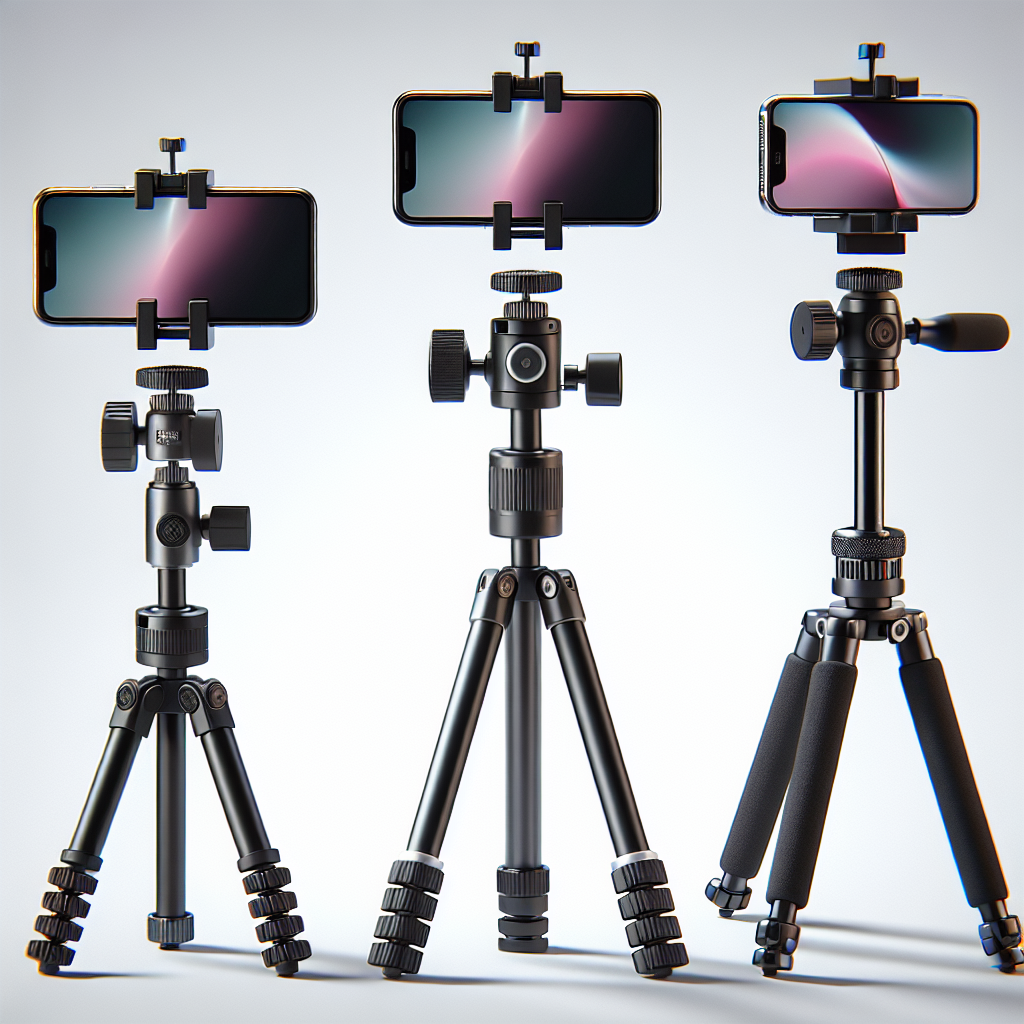
Long exposure is a staple technique in night photography, necessitating the use of a tripod to keep your camera stable during extended shutter speeds. A sturdy tripod can eliminate the potential for camera shake, ensuring sharp and clear images.
Choosing the Right Tripod
When selecting a tripod for night photography, consider the following:
No products found.
- Material: Carbon fiber tripods are lightweight and durable, making them ideal for traveling photographers.
- Height and Stability: Ensure the tripod can reach your eye level without extending the center column, which can compromise stability.
- Weight Capacity: Check that the tripod can support the weight of your camera and lens to avoid any accidents.
Remote Shutter Release: Eliminating Vibration
A remote shutter release is vital in night photography to prevent camera shake that can occur when pressing the shutter button. This accessory allows you to trigger the shutter without physically touching the camera, ensuring crisp images.
Types of Shutter Releases
There are various types of shutter releases available:
- Wired Remote: Simple and reliable, a wired remote connects directly to your camera.
- Wireless Remote: Offers more flexibility and range, allowing you to trigger the shutter from a distance.
- Intervalometers: Ideal for time-lapse photography, these devices allow for programmed shots at set intervals.
Lens Filters: Enhancing Your Shots
In night photography, lens filters can add a creative touch to your images. While not always necessary, they can be particularly useful in certain situations.
Popular Lens Filters for Night Photography
- Neutral Density (ND) Filters: Help manage exposure during long exposures, especially in brightly lit urban settings.
- Light Pollution Filters: Reduce the yellowish glow of city lights, allowing the natural colors of the night sky to shine.
- Star Filters: Add a starburst effect to points of light, enhancing the visual appeal of your images.
Flashlights and Headlamps: Lighting the Way
Having a reliable source of light is crucial when setting up your gear in the dark. Flashlights and headlamps not only help illuminate your surroundings but are also essential for light painting techniques.
Choosing the Best Light Source
- Beam Distance: Opt for a flashlight with a long beam distance for better visibility.
- Brightness Levels: Adjustable brightness settings allow for more control over the light intensity.
- Red Light Mode: A red light mode is less intrusive and helps preserve your night vision.
Extra Batteries and Memory Cards: Be Prepared
Night photography sessions can be lengthy, and running out of power or storage can be a frustrating halt to creativity. Carry extra batteries and memory cards to ensure you’re prepared for extended shooting sessions.
Tips for Managing Power and Storage
- Battery Management: Keep batteries warm in cold conditions to prolong their life.
- Storage Capacity: Use high-capacity memory cards to avoid running out of space during long sessions.
- Backup Solutions: Consider portable storage devices to offload and secure your images.
Noise Reduction Software: Post-Processing Magic
Even with the best equipment, noise can be an issue in night photography due to high ISO settings. Noise reduction software can help clean up your images and enhance their overall quality.
Popular Noise Reduction Tools
- Adobe Lightroom: Offers powerful noise reduction features integrated with its editing suite.
- Topaz DeNoise AI: Utilizes artificial intelligence to reduce noise without losing detail.
- DXO PhotoLab: Known for its excellent noise reduction capabilities, particularly in high ISO images.
Apps and Software: Planning and Executing
Utilizing helpful apps and software can aid in planning your night photography sessions and executing them effectively.
Essential Apps for Night Photography
- PhotoPills: An all-in-one app for planning night photography, offering tools like a star trails calculator and moon phase tracker.
- The Photographer’s Ephemeris: Helps plan outdoor photography, showing how natural light falls on the land.
- Stellarium: A planetarium app that helps identify stars, constellations, and planets in the night sky.
Conclusion
Night photography presents unique challenges and rewards, requiring a combination of skill, patience, and the right gear. By equipping yourself with these essential accessories, you can enhance your ability to capture the night’s beauty in all its forms. Whether you’re photographing the Milky Way or the vibrant lights of a city, these tools and tips will help you on your journey to mastering night photography.
So, gather your gear, head out into the night, and let your creativity shine like the stars above.